Our biggest problem is our view of death and suffering.
We see death as the ultimate evil, the one thing most to be avoided, and the cause of ultimate sadness when it comes, which it always does, inevitably, to everything that ever lived or existed. We view suffering in a similar light, to be evaded or minimized at all costs, unless its endurance might postpone or prevent the one greater evil, death, or buy us a greater pleasure. The very existence and pervasiveness of death and suffering suggests to us that the universe is essentially flawed, that possibly there is no God, or that God might not be all-knowing, all-powerful, and all-good, but rather deranged and malignant.
But imagine a world where we viewed these two things differently. What if it is our perception and belief that are essentially flawed, and not the universe? What if it is our outlook that is deranged and malignant, and not God?
Imagine that we did not fear death. Imagine that death was seen not as merely an ending or annihilation or loss, but a transformation and a transition, a transfer of energy from one set of structures and mode of existence to a different set of structures and mode of existence.
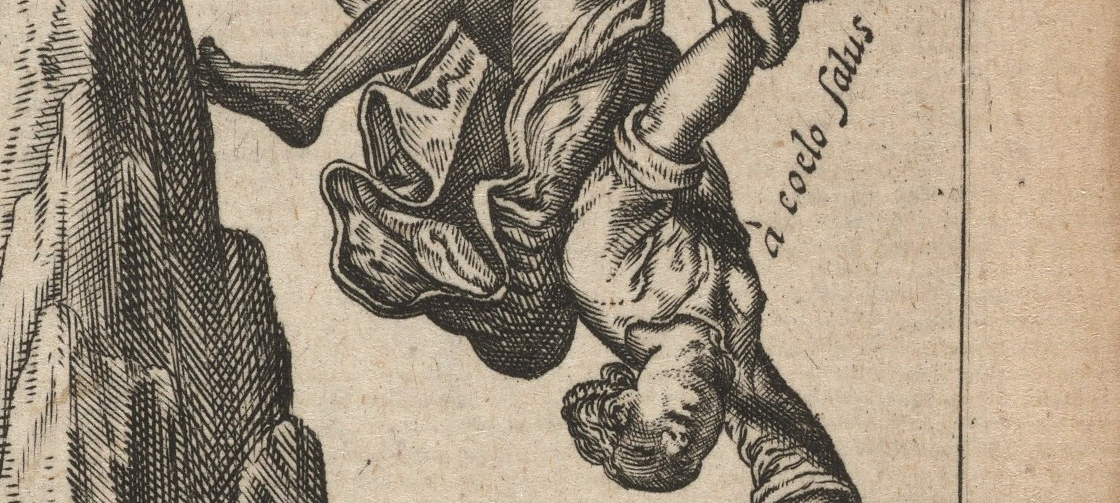
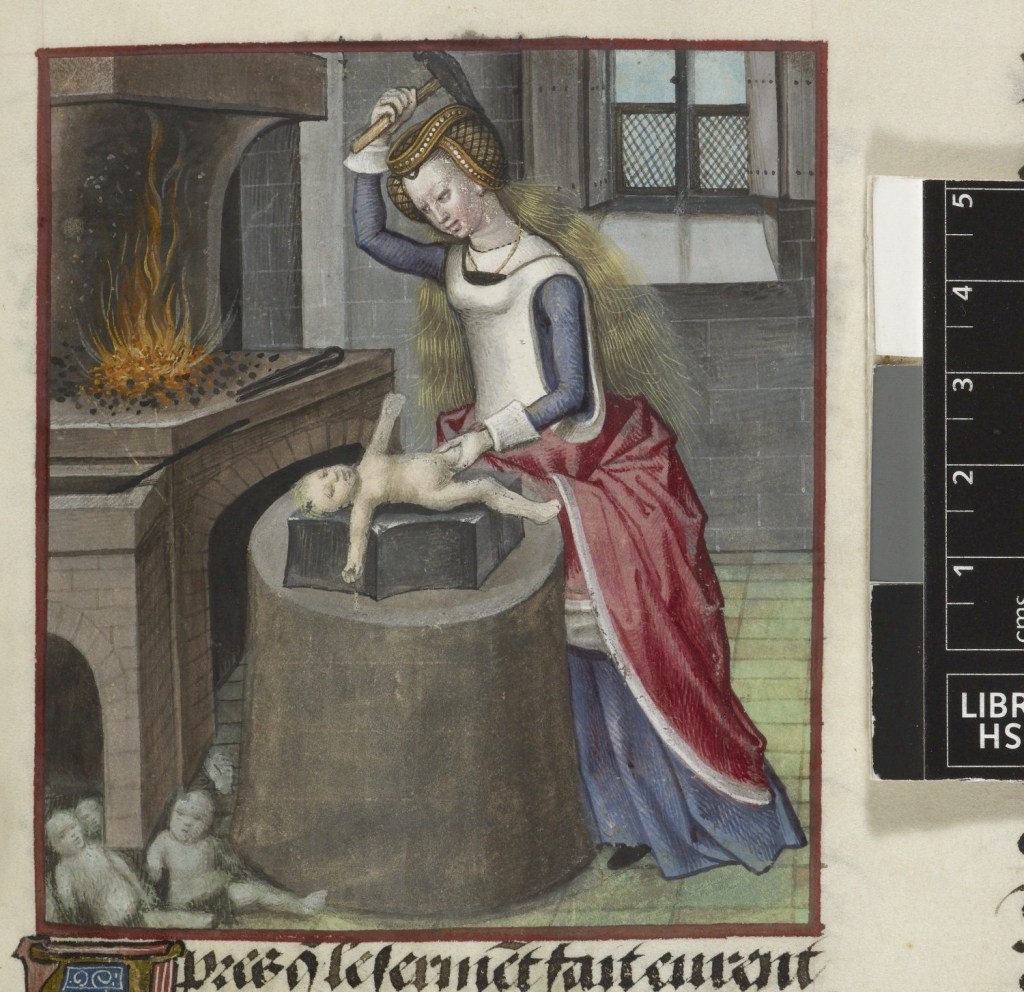
Imagine if we viewed suffering differently, not as merely something that hurts and threatens our precious status quo, but rather as the subjective experience of being worked and transformed into a different shape, like a piece of rough iron might feel when it is worked and transformed into a fine steel blade.
How would our day-to-day experience change if we viewed death in the same way as we view birth, as a momentous, somewhat frightening, awesome, and ultimately joyful transition from one state to the next, both an ending of one thing and a beginning of another thing, a cause for not just mourning but also celebration, and a mystery? How about if instead of abhorring suffering we learned to embrace it when it comes, as we do with pleasure? I don’t mean that we just learn intellectually to embrace death and suffering, as an idea that we don’t really feel, but that we pursue and develop and nurture a relationship with death and suffering such that we come to know them and value them and even cherish them for what they are, as you might pursue and develop and nurture a relationship with a person or place or other thing that you come to know intimately, and that finds a home in your life and consciousness, and you realize that your life would be diminished by its absence. What if we learned that all forms of suffering can teach and change and strengthen and grow us? All forms of suffering, even the most severe we can imagine. Illustrative metaphors from our day-to-day life abound. Cutting and crushing and baking grain to produce bread, the ‘staff of life’. Plucking and crushing and storing vine fruit in cold darkness to produce wine, which we call a ‘spirit’. Crushing and heating and pounding ore and metal to produce implements of strength, resilience, utility, and beauty.
Play it out in your mind. How would your life be different if you didn’t fear, but rather embraced death and suffering? Everything would be different. Not to seek them, but to welcome them when they arrive, like guests. And to do so with pleasure.
The key obstacle is the belief in, and worship of, the idea of a self. Because we believe in a self, and we worship the idea of our self, and we believe that suffering is a threat to the self and death is an annihilation of the self, and we hold these as unacceptable, then we come into direct conflict and opposition to ‘the way things are’.
In this light, we might begin to see the wisdom expressed by Jesus in Matthew 16:24: “Then Jesus said to his disciples, “Whoever wants to be my disciple must deny themselves and take up their cross and follow me.”” And in Luke 9:23: “Then he said to them all: “Whoever wants to be my disciple must deny themselves and take up their cross daily and follow me.” Deny self, take up cross (embrace suffering when it comes, daily), and follow me (like ‘Simon Says’, but with Jesus).
Crazy talk?
1 Corinthians 3:19: “For the wisdom of this world is foolishness in God’s sight.”
 ReligioMedici